Destim Crine Font for Handmade Products
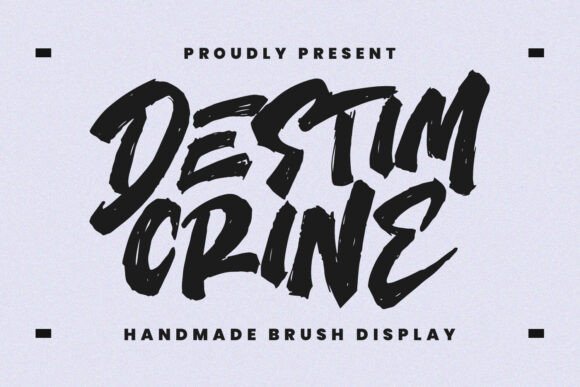
As makers and small business owners, we know that the difference between a hobby project and a sellable product often lies in the typography. When I am designing labels for soy candles or laying out a wedding invitation suite, I need a typeface that feels personal without sacrificing professional polish. This is where the Destim Crine font becomes an essential tool in my digital asset library. It offers that authentic brush-handcrafted feel that customers associate with bespoke, high-quality goods, yet it maintains enough structure to remain legible across various mediums. For those of us creating physical products, printables, or branding materials, finding a script amp category font that balances artistic flair with commercial utility is a constant pursuit, and this handmade brush font delivers exactly that.
Elevating Product Packaging and Labels
The first place I typically test a new creative font is on product packaging. Whether you are selling artisan soaps, boutique clothing, or specialty foods, your label is often the first interaction a customer has with your brand. Destim Crine excels here because its organic strokes mimic real hand-lettering, suggesting that care and attention went into the creation of the item itself. Unlike rigid display fonts, this typeface carries an emotional weight that resonates with buyers looking for authenticity.
When designing candle labels or jar stickers, readability at smaller sizes is paramount. While highly ornate scripts can become muddy when printed at two inches wide, Destim Crine retains its character even when scaled down for cosmetic containers or hang tags. The brush texture provides visual interest without overwhelming the necessary product information. I have found it particularly effective for highlighting scent names, collection titles, or "hand-poured" callouts, while keeping the ingredient lists and safety warnings in a clean sans serif font for contrast and compliance.
Practical Applications for Crafters and Sellers
Beyond packaging, this premium font adapts beautifully to the diverse needs of a maker's workflow. Its versatility makes it suitable for a wide range of projects where modern typography meets traditional craft aesthetics:
- Wedding Stationery: Use it for couple names on welcome signs, seating charts, or envelope addressing. The fluid style adds romance without looking dated.
- Digital Printables: Perfect for wall art quotes, daily planner headers, or affirmation cards. The handwritten font aesthetic translates well to digital downloads intended for home printing.
- Apparel and Totes: Ideal for heat transfer vinyl (HTV) or screen printing on t-shirts and canvas bags. The stroke weight is generally substantial enough to cut cleanly on Cricut or Silhouette machines without weeding nightmares.
- Social Media Graphics: Create cohesive Instagram templates or Pinterest pins by using this font for headlines. It stops the scroll by looking like custom lettering rather than stock text.
- Seasonal Crafts: From holiday gift tags to farmers market signage, the brush style fits rustic, boho, and contemporary farmhouse themes effortlessly.
Mastering Font Pairing for Brand Identity
A common mistake in product design is letting a beautiful script font do too much heavy lifting. To maintain a professional brand identity, Destim Crine should be treated as the star performer, supported by reliable backing vocals. Because this typeface has significant personality and texture, it pairs best with minimalist partners. A geometric sans serif font or a simple serif font provides the necessary negative space and clarity that allows the brush strokes to shine.
For example, if you are designing a logo for a bakery, use Destim Crine for the business name to establish warmth and approachability, but switch to a structured sans serif for the tagline or establishment date. This hierarchy guides the customer’s eye and ensures your branding is memorable yet functional. In web design and website headers, this pairing improves user experience by ensuring navigation remains crisp while the hero text captures the brand's vibe. Consistency in these pairings across your packaging, social media, and shop listings builds customer recognition and trust over time.
Technical Considerations for Cutting and Printing
For those of us who rely on cutting machines or professional printing services, understanding the technical behavior of a font is just as important as its aesthetic appeal. When using Destim Crine for vinyl decals or iron-on transfers, always check the connectivity of the letters. While designed to flow naturally, some brush fonts require manual welding in design software to ensure the cut path is continuous. Taking a moment to weld overlapping letters prevents fragile pieces from peeling up during the weeding process.
If you are utilizing OpenType features, explore any included alternates, ligatures, or swashes. These hidden gems allow you to customize the standard typing output to look even more like genuine hand-lettering. Swashes can extend beautifully off the edge of a business card or frame a central word in a typographic quote. However, exercise restraint; overusing decorative elements can clutter the design and reduce legibility, especially on smaller items like return address labels or jewelry cards. Always print a test page or cut a prototype before committing to a full production run to verify that the ink spread or blade depth handles the brush texture correctly.
Navigating Commercial Licensing for Makers
One of the most critical aspects of using any creative font for a small business is understanding licensing. As sellers, we must ensure our tools are cleared for commercial use to protect our shops and respect type designers. Before listing items featuring Destim Crine, review the specific license agreement provided with the download. Most premium font licenses cover end products where the font is flattened or rasterized, such as printed invitations, physical stickers, or JPEG/PNG digital downloads.
However, distinctions exist regarding editable templates. If you plan to sell Canva templates, Corjl files, or SVG bundles where the end customer can manipulate the text using this specific typeface, you will likely need an extended or template-specific license. Similarly, embedding the font file in software or apps usually requires a separate agreement. Clarifying these permissions upfront prevents legal headaches later and supports the sustainability of the type design community. When in doubt, reach out to the creator directly; clear communication ensures your business remains compliant and ethical.
Ultimately, integrating Destim Crine into your design repertoire offers a pathway to more expressive, human-centric products. It bridges the gap between digital efficiency and handmade charm, allowing us to scale our creativity without losing the personal touch that defines our businesses. By applying thoughtful pairing strategies, respecting technical limitations, and adhering to proper licensing, this handmade brush font can become a cornerstone of your visual identity, helping your creations stand out in a crowded marketplace with genuine style and substance.