Horeg Ejava Font: Bold Brush Type for Crafts
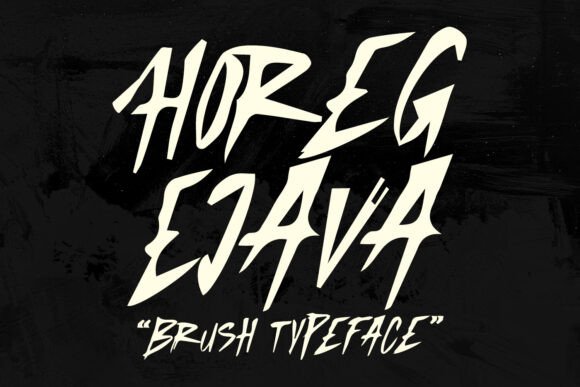
As makers and small business owners, we know that the right typeface does more than just spell out words; it sets the entire emotional tone of a product. When you are designing merchandise, packaging, or digital downloads that need to stand out in a crowded marketplace, standard scripts often feel too safe. This is where Horeg Ejava enters the creative workflow. As a fierce and energetic brush typeface, it brings a raw texture and rebellious flair that is impossible to ignore. For crafters working within the Script Amp category, this font offers a distinct departure from delicate calligraphy, providing razor-sharp edges and dynamic strokes that scream attitude.
Whether you are creating punk rock posters, edgy apparel graphics, or bold statement wall art, Horeg Ejava serves as a powerful design asset. It is not merely a decorative element; it is a commercial tool for sellers who want their brand identity to feel authentic, handmade, and unapologetically loud. Understanding how to leverage this specific typeface can elevate your product presentation and help you connect with customers looking for something with genuine character.
Capturing Attention with Raw Texture and Attitude
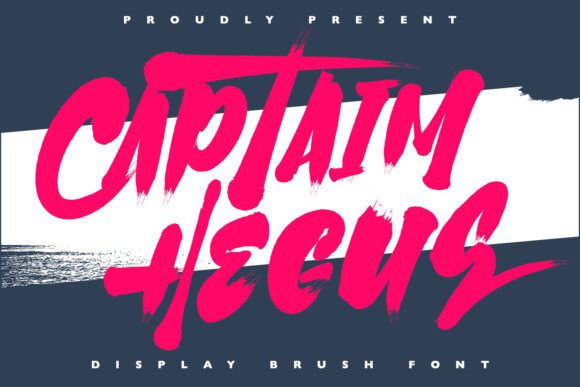
The visual personality of Horeg Ejava is defined by its energy. Unlike smooth, polished fonts, this typeface retains the organic imperfections of a physical brush stroke. For handmade sellers, this is a massive advantage. Customers browsing Etsy or local craft fairs are often drawn to items that feel human-made rather than mass-produced. The rough edges and varied stroke width of Horeg Ejava mimic the look of hand-painted signage or screen-printed textiles, instantly adding perceived value to printed cards, stickers, and labels.
This font excels in display use. It is designed to be seen from a distance or to serve as the primary focal point on a product. When designing t-shirts, tote bags, or mugs, the boldness of the letterforms ensures readability even when scaled down or viewed quickly on a mobile screen. For digital download creators, this means your mockups will pop in search results. The "rebellious flair" mentioned in the product description translates practically to designs that stop the scroll, making it an excellent choice for social media graphics, sale announcements, and new collection teasers.
Practical Applications for Physical Products
While Horeg Ejava has roots in poster design, its utility for physical crafts is extensive. Here are practical ways to integrate this font into your product line:
- Apparel and Merchandise: Use Horeg Ejava for band tees, festival wear, or streetwear-inspired hoodies. The sharp edges translate beautifully to DTG printing and heat transfer vinyl, giving garments a vintage, worn-in aesthetic right off the press.
- Bold Packaging Design: For coffee roasters, hot sauce makers, or artisanal candle brands targeting a younger demographic, this font creates striking label hierarchies. Use it for the product name or flavor variant to create immediate shelf impact.
- Event Stationery: Move away from traditional wedding scripts for alternative celebrations. Horeg Ejava is perfect for concert tickets, dive bar event flyers, tattoo convention badges, or birthday invitations for teens and adults who prefer grit over grace.
- Wall Art and Decor: Create printable wall art featuring short, punchy quotes or song lyrics. The dynamic strokes add movement to static prints, making them ideal for gallery walls in studios, garages, or modern industrial living spaces.
- Stickers and Decals: Die-cut stickers benefit from the thick, connected nature of brush fonts. The solid forms of Horeg Ejava ensure that small decals remain durable and legible without thin lines peeling up during application.
Readability and Cutting Machine Considerations
For Cricut and Silhouette users, not all brush fonts are created equal. Some have fragile connections or internal textures that cause cutting failures. Horeg Ejava’s razor-sharp edges are generally advantageous for vinyl cutting because they provide clear paths for the blade. However, because of its raw texture, it is vital to test cut at smaller sizes before committing to a full production run.
When using this font for product labels or small tags, avoid scaling it down below 0.75 inches in height. The intricate brush details can become muddy or merge together at tiny sizes, reducing legibility. For best results, reserve Horeg Ejava for titles, names, and short phrases. It is a display font, not a body text font. Trying to use it for ingredient lists or long descriptions will overwhelm the viewer and diminish the font's impact. Keep the messaging concise to let the typography breathe.
Strategic Font Pairing for Balance
Because Horeg Ejava is so expressive, it requires a supportive partner to create a balanced, professional layout. The key to successful font pairing is contrast. You want to ground the chaotic energy of the brush script with stability.
- Clean Sans Serif: Pair Horeg Ejava with a geometric or neo-grotesque sans serif font for subheadings and details. The clean lines of a sans serif provide a neutral backdrop that makes the brush strokes appear even more dynamic without competing for attention.
- Simple Serif: For a more retro or heritage vibe, combine Horeg Ejava with a classic serif font. This combination works exceptionally well for boutique tags, brewery menus, and artisanal food packaging where you want to blend rebellion with tradition.
- Avoid Other Scripts: Resist the urge to pair this font with another handwritten or script font. Two expressive typefaces fighting for dominance will result in a cluttered, unreadable design. Let Horeg Ejava be the star and keep supporting text understated.
Checking Technical Assets and Alternates
Before finalizing your designs, take time to explore the full capabilities of the Horeg Ejava file. Premium fonts in the Script Amp category often include valuable extras that can customize your projects. Check for OpenType features such as stylistic alternates, ligatures, and swashes. These variations allow you to avoid repetitive letterforms in longer words, ensuring every instance of the font looks naturally hand-lettered rather than digitally stamped.
Verify the included file formats to ensure compatibility with your software. OTF and TTF files are standard for design programs like Illustrator, Canva, and Photoshop, while SVG files are essential for cutting machine software. Additionally, confirm multilingual support if you plan to sell products internationally or cater to diverse communities. Having access to extended characters prevents awkward substitutions that can break the visual flow of your branding.
Navigating Commercial Licensing for Sellers
As a business owner, protecting your shop starts with proper licensing. Always review the specific license agreement included with Horeg Ejava before listing items for sale. Commercial font licenses typically cover physical end products like shirts, mugs, and printed stationery. However, restrictions often apply to digital templates, SVG bundles, or alphabet sets where the font itself is the primary value being sold.
If you plan to use Horeg Ejava in editable Canva templates or Corjl listings, verify that the license explicitly permits this use case. Many foundries require an upgraded license for template creation. Respecting these terms not only keeps your shop compliant but also supports the type designers who create these essential tools. Proper licensing is a hallmark of a professional, sustainable creative business, ensuring you can continue to access high-quality design assets for years to come.